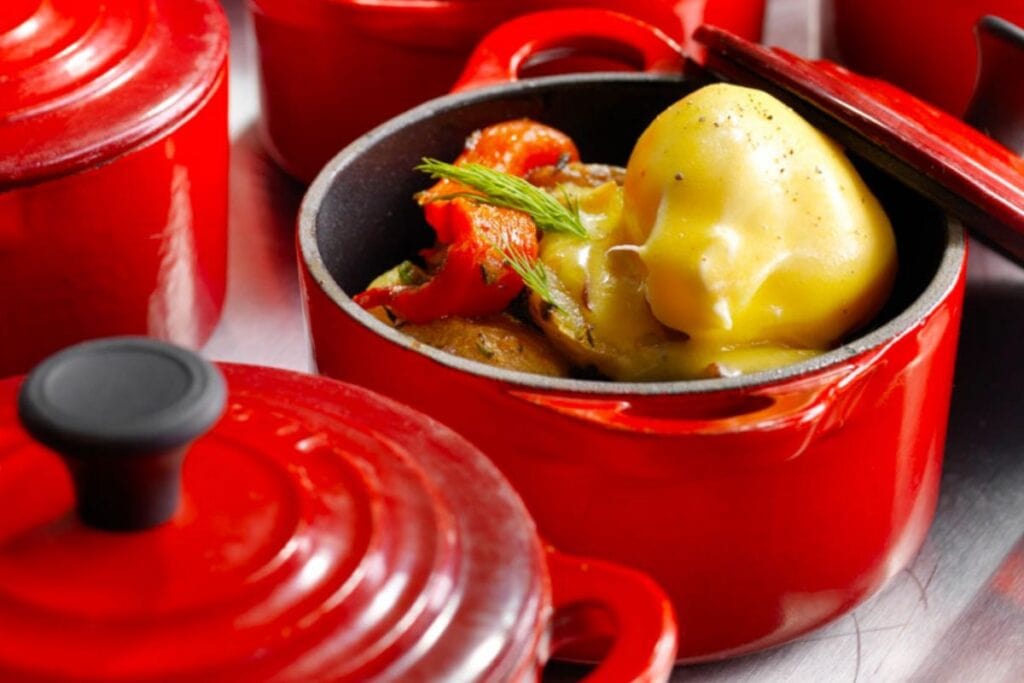
Every great restaurant has at least one dish that customers remember long after their meal is finished. These are the dishes people recommend to friends, order again and again, and associate with the restaurant’s identity. They are often called signature dishes.
But signature dishes rarely appear overnight. They are the result of creativity, experimentation, and a deep understanding of ingredients and flavors. For chefs, inventing new recipes is both an art and a process. It requires imagination, patience, and a willingness to keep improving until the dish feels just right.
Inspiration Starts the Process
Most new recipes begin with inspiration. That inspiration can come from many places. Sometimes it comes from childhood memories, family recipes, or cultural traditions. Other times it comes from travel, new ingredients, or a desire to reinvent a classic dish.
Chefs often think about how to combine flavors in ways that surprise people while still feeling familiar. A traditional recipe might be the starting point, but the chef adds a personal twist that makes it unique.
For example, a chef may take a traditional curry recipe and experiment with different spices, textures, or cooking methods. Over time, these small changes can transform a familiar dish into something new and memorable.
Inspiration is the spark, but turning that spark into a finished dish requires careful experimentation.
Understanding Flavor Balance
One of the most important parts of recipe creation is understanding flavor balance. Every great dish has harmony between its ingredients. Too much spice, salt, sweetness, or acidity can overpower everything else.
Chefs think carefully about how flavors interact. A rich dish might need acidity to balance it. A spicy dish might benefit from a creamy element that softens the heat. Fresh herbs or citrus might brighten a heavy sauce.
Spices play a particularly important role in many cuisines. When working with complex spice blends, chefs must carefully adjust quantities to achieve the right depth of flavor.
This balance is often achieved through repeated tasting and small adjustments. A chef may cook the same dish many times before deciding the recipe is perfect.
Experimentation in the Kitchen
The kitchen is where creativity truly comes to life. Chefs experiment constantly, testing new combinations of ingredients and techniques.
Sometimes the process begins with a simple question: What if these two ingredients were combined? Other times a chef might try using a familiar ingredient in a completely different way.
Experimentation can involve adjusting cooking times, changing textures, or trying different spice blends. A sauce might be thicker or lighter. A protein might be grilled instead of braised. Garnishes might be added to bring color and freshness.
Not every experiment succeeds. In fact, many ideas do not work as expected. But even failed attempts help chefs learn something valuable about how flavors behave.
Over time, experimentation leads to discoveries that become signature dishes.
Refining the Recipe
Once a promising idea appears, the next step is refinement. This stage involves improving the recipe until it becomes consistent and repeatable.
Chefs carefully measure ingredients, document steps, and test the dish multiple times. The goal is to ensure that the same quality can be achieved every time the dish is prepared.
Refinement also involves thinking about the dining experience. Is the portion size right? Does the dish look appealing? Is the texture enjoyable from the first bite to the last?
Small details often make a big difference. A garnish might add freshness. A drizzle of sauce might improve presentation. A change in plating might make the dish more visually appealing.
These finishing touches turn a good idea into a polished recipe ready for the menu.
The Importance of Presentation
In modern dining, presentation plays a significant role in how guests experience food. A dish that looks beautiful creates excitement before the first bite.
Chefs think about color, texture, and arrangement when plating their dishes. Fresh herbs, vibrant vegetables, and contrasting sauces can create a visually striking plate.
The goal is not to make food complicated but to make it inviting. Clean, thoughtful presentation helps highlight the ingredients and the chef’s craftsmanship.
Many diners also share photos of their meals on social media, which means presentation can help spread awareness of a restaurant’s food.
Signature dishes often stand out not only because of taste but also because of how memorable they look.
Listening to Customer Feedback
Even after a dish is added to the menu, the development process continues. Customer feedback plays an important role in refining recipes.
Chefs and restaurant owners often watch how diners react to new dishes. Are guests finishing their plates? Are they recommending the dish to others? Are there suggestions for improvement?
Sometimes small adjustments are made based on this feedback. A sauce might be slightly lighter. A spice level might be adjusted. A garnish might be changed to improve flavor balance.
Listening to customers helps chefs ensure that their creative ideas connect with the people they serve.
Restaurants like Ambar Surrey Restaurant understand that developing signature dishes involves both culinary creativity and a strong connection with diners.
Staying True to Culinary Roots
While innovation is important, many chefs also want their dishes to reflect their cultural roots and culinary traditions. Signature recipes often build on traditional flavors while introducing new ideas.
This approach allows chefs to honor their heritage while offering something unique. Traditional spices, cooking techniques, or regional ingredients can serve as the foundation for creative dishes.
By respecting tradition while embracing innovation, chefs create food that feels authentic and exciting at the same time.
This balance often becomes part of a restaurant’s identity and reputation.
Creating Dishes That Represent the Restaurant
A signature dish does more than taste good. It represents the restaurant’s philosophy, style, and personality.
When customers think of a restaurant, they often remember a specific dish that defines the experience. That dish becomes part of the brand.
Restaurants such as Ambar Surrey Restaurant demonstrate how carefully crafted recipes can help establish a strong identity. Signature dishes give guests something memorable to talk about and return for.
These dishes also reflect the chef’s creativity and dedication to quality.
Consistency Is the Key to Success
Inventing a great recipe is only the beginning. For a signature dish to succeed, it must be prepared consistently every time it is served.
This requires clear recipes, proper training for kitchen staff, and attention to detail during service. Every ingredient must be measured correctly, and every step must be followed carefully.
Consistency builds trust with customers. When guests return to a restaurant, they expect the dish they loved before to taste just as good as they remember.
Maintaining that level of consistency is one of the most important responsibilities in a professional kitchen.
Creativity That Never Stops
The process of inventing new recipes never truly ends. Chefs continue experimenting, learning, and evolving throughout their careers.
New ingredients, changing customer tastes, and emerging food trends all provide opportunities for creativity. A dish that becomes popular today may inspire new variations tomorrow.
This constant evolution keeps restaurants exciting and allows chefs to keep pushing their creativity further.
The Journey Behind Every Signature Dish
Behind every signature dish is a story of curiosity, experimentation, and dedication. Chefs spend countless hours testing flavors, adjusting ingredients, and refining techniques until a recipe feels complete.
What diners experience as a delicious meal is often the result of months or even years of creative work.
For chefs, the reward comes when guests enjoy the dish, recommend it to others, and return to experience it again. That moment confirms that the process of invention was worth the effort.
Creating signature dishes is more than cooking—it is a journey of imagination, craftsmanship, and passion. And for chefs who love their craft, that journey is one of the most satisfying parts of the culinary world.