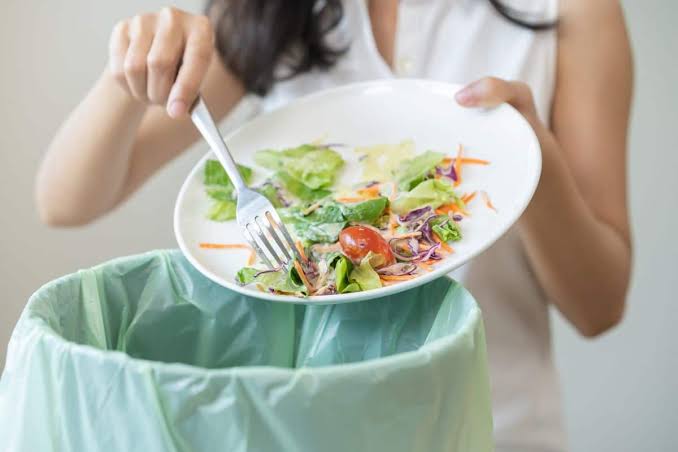
Poor meal planning often leads to forgotten vegetables, duplicate groceries, expensive takeout, and the familiar question of what to cook at the last minute. A better system doesn’t require planning every bite for seven days. It starts with checking what you already have and choosing a manageable number of flexible meals.
Shop From Your Kitchen First
Before writing a grocery list, look through the refrigerator, freezer, and pantry. Identify ingredients that need to be used soon and build one or two meals around them.
This simple habit prevents buying food you already own. Weekend routines, community events, or schedule changes spotted through regional lifestyle coverage can also affect how many meals you realistically need at home.
Choose Ingredients That Work Twice
A bag of spinach might serve dinner one night and lunch the next day. Roasted vegetables can become a side dish, sandwich filling, or addition to rice.
Flexible ingredients reduce the risk of being left with small quantities that never fit another meal.
Plan Around Your Actual Week
A meal plan that ignores your schedule usually fails. A complicated recipe isn’t ideal on a night when you arrive home late, while a longer cooking project may fit comfortably on a quieter weekend.
Check appointments, school activities, work commitments, and social plans first. General local event reporting may help when community plans affect your week, but your own calendar should drive the final meal schedule.
| Planning Problem | Better Habit | Likely Benefit |
|---|---|---|
| Buying duplicates | Check pantry first | Less waste |
| Busy evenings | Choose quick meals | Less takeout |
| Leftover ingredients | Plan flexible dishes | Better food use |
| Oversized recipes | Adjust portions | Fewer leftovers |
Build a Short Backup List
Even good plans change. Keep two or three easy meals available for evenings when cooking plans collapse.
Eggs, frozen vegetables, rice, pasta, canned beans, or other long-lasting staples can become quick meals depending on your dietary preferences. Looking at community food discussions may provide inspiration, but a backup meal should rely on ingredients your household actually enjoys.
Use Leftovers With a Purpose
Cooking extra food can save time, but only if the leftovers have a destination. Decide whether extra portions are tomorrow’s lunch, another dinner, or something that will be frozen.
Labeling freezer containers with the food and date prevents mystery meals from collecting at the back of the freezer.
Where Meal Planning Commonly Fails
Overplanning is surprisingly common. People sometimes schedule seven ambitious dinners, buy ingredients for all of them, then discover that work, fatigue, or spontaneous plans change the week.
Planning four or five dinners may work better than filling every evening. Leave room for leftovers, social plans, or a simple pantry meal. Meal planning should reduce decisions, not become another demanding project that requires perfect execution.
Frequently Asked Questions
How many meals should I plan each week?
There isn’t one ideal number. Many households benefit from planning fewer dinners than available nights, leaving space for leftovers, unexpected plans, or an easy backup meal.
Should I meal prep everything at once?
Not necessarily. Washing produce, preparing one protein, or cooking a grain in advance may provide enough structure without spending hours preparing complete meals.
How can I stop forgetting food in the refrigerator?
Keep highly perishable foods visible, create a designated “use first” area, and check it before shopping. A simple reminder on your meal plan can also help.
Build a Plan You Can Actually Follow
Start your next grocery list with three questions: what needs using, which nights are busy, and which ingredients can appear in more than one meal. A flexible plan based on your real schedule can improve food use and reduce last-minute purchases without requiring a perfectly organized kitchen.

