Introduction to Bathroom Vanity
A bathroom vanity is more than just a sink cabinet—it’s the heartbeat of your bathroom design. Think of it as the command center where your daily routine begins and ends. From brushing teeth in the morning to winding down at night, this single fixture quietly supports your entire lifestyle. Yet many homeowners underestimate how much impact a vanity has on both aesthetics and functionality.
In modern interior design, bathroom vanities have evolved into statement pieces. They combine storage, plumbing, lighting reflection, and design identity in one compact structure. According to recent design trends, bathrooms are no longer treated as purely functional spaces—they are now personal wellness zones where comfort and style meet. That’s why choosing the right vanity can completely transform the mood of your bathroom.
Latest Bathroom Vanity Trends in 2026
Bathroom design in 2026 is leaning heavily toward warmth, texture, and functionality. Clean but cold minimalist designs are fading, replaced by more natural and expressive materials.
Floating Vanities Dominating Modern Bathrooms
One of the strongest trends is the rise of floating bathroom vanities. These wall-mounted units create a light, airy feel by freeing up floor space. Designers highlight that floating vanities make small bathrooms appear larger and easier to clean. They also allow creative lighting beneath the cabinet, giving a modern hotel-like vibe. Many new homes now use floating vanities as a default rather than a luxury upgrade.
Fluted Designs and Textured Surfaces
Another major shift is the popularity of fluted bathroom vanities, which feature vertical grooves or ridges on cabinet fronts. This design adds depth and visual interest without overwhelming the space. Instead of flat and plain cabinets, homeowners are now choosing textured surfaces that feel more architectural. The result is a vanity that looks like a sculptural piece rather than just storage furniture.
Natural Wood and Earthy Finishes
Natural materials are taking over bathroom design. Soft oak, walnut, and matte finishes are replacing glossy white laminates. Earth-inspired colors like beige, taupe, and sage green are becoming mainstream. Designers believe these tones create a calming, spa-like environment that feels more connected to nature. The goal is no longer just beauty—it’s emotional comfort.
Types of Bathroom Vanity
Choosing the right type of vanity depends on your space, storage needs, and design preferences.
Freestanding Bathroom Vanity
Freestanding vanities are the most traditional option. They sit directly on the floor and often offer the most storage space. These are ideal for classic or large bathrooms where floor space is not a concern. They are also easier to install compared to wall-mounted options.
Wall-Mounted (Floating) Vanity
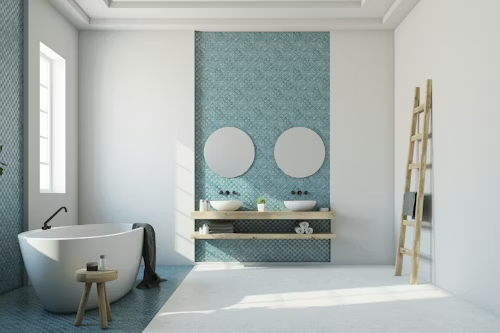
Wall-mounted vanities are modern, stylish, and space-saving. They create an open look by exposing the floor underneath. This style is perfect for small bathrooms or contemporary homes. It also allows flexibility in height placement, making it more ergonomic.
Double Sink Vanity
A double sink vanity is designed for shared bathrooms, especially master bathrooms. It allows two people to use the space simultaneously without conflict. These vanities are typically larger and require more plumbing work, but they add major convenience and resale value to homes.
Bathroom Vanity Materials
Material selection is critical because it determines durability, maintenance, and style.
Wood-Based Vanities
Wood is the most popular material for vanities due to its natural warmth and versatility. Engineered wood options like MDF are budget-friendly, while solid wood provides premium durability. Wood also blends beautifully with modern earthy design trends.
Stone and Quartz Countertops
Countertops made from quartz or natural stone are highly durable and water-resistant. Quartz is especially popular because it is low maintenance and available in multiple colors. Stone countertops, on the other hand, offer a luxurious, high-end appearance but require more care.
Bathroom Vanity Sizes & Space Planning
Size plays a huge role in how your bathroom functions.
Small Bathroom Vanity Ideas
For compact bathrooms, slim and floating vanities are ideal. A depth of 18–20 inches is often enough without making the space feel cramped. Wall-mounted designs also help visually expand the room, making it feel more open.
Large Master Bathroom Vanities
In larger bathrooms, homeowners often choose wide double vanities with extensive storage. These can exceed 60 inches in width and include multiple drawers, mirrors, and lighting features. Larger vanities allow for better organization and a more luxurious feel.
Storage Solutions in Bathroom Vanity
Modern homeowners want storage that feels effortless and hidden.
Smart Drawer Systems
New vanity designs include deep drawers, soft-close systems, and compartment organizers. These allow better separation of daily essentials like skincare, towels, and grooming tools. Instead of cluttered shelves, everything has its place.
Hidden Storage Innovations
Many high-end vanities now include hidden compartments for electrical outlets, hair tools, and cleaning supplies. This keeps surfaces clean and minimal while maximizing functionality. The goal is simple: hide clutter, show beauty.
Bathroom Vanity Installation Guide
Installing a bathroom vanity requires careful planning.
DIY vs Professional Installation
Small vanities can sometimes be installed as DIY projects, especially freestanding models. However, wall-mounted and double sink vanities usually require professional installation due to plumbing and leveling complexity. A poorly installed vanity can lead to leaks, uneven surfaces, or long-term damage, so hiring a professional is often worth it.
Bathroom Vanity Pricing Factors
Prices vary widely depending on design, materials, and customization.
Budget vs Luxury Vanity Comparison
| Type | Price Range | Features |
| Budget Vanity | Low | Basic storage, laminate finish |
| Mid-Range Vanity | Medium | Better materials, modern design |
| Luxury Vanity | High | Custom wood, stone tops, smart storage |
Luxury vanities often include premium wood, marble countertops, integrated lighting, and custom-built storage systems. Budget options focus more on practicality than design appeal.
Mistakes to Avoid When Choosing Vanity
Many homeowners choose vanities based only on looks. One common mistake is ignoring bathroom size, which leads to overcrowded layouts. Another mistake is choosing cheap materials that cannot handle moisture, leading to swelling and damage over time. Poor lighting placement is also a major issue that affects daily usability.
Future of Bathroom Vanity Design
The future of bathroom vanities is moving toward smart, sustainable, and personalized design. Expect to see more eco-friendly materials, integrated smart mirrors, and voice-controlled lighting systems. Bathrooms are becoming wellness spaces rather than utility rooms, and vanity will continue to play a central role in that transformation.
Conclusion
A bathroom vanity is not just furniture—it defines the personality, functionality, and comfort of your bathroom. From floating designs to natural wood finishes, modern trends are shifting toward warmth, simplicity, and smarter storage. Whether you’re renovating a small bathroom or designing a luxury master suite, choosing the right vanity can completely redefine your space.