In healthcare environments, medical facility surface materials do far more than complete the look of a space. They influence cleanliness, durability, maintenance efficiency, patient confidence, and long term operational value. From hospitals and outpatient clinics to dental offices, imaging centers, surgical suites, and specialty care settings, the surfaces chosen for countertops, work areas, reception desks, vanities, and support stations must meet higher expectations than standard commercial interiors.
Hyundai L&C, located at 1760 Corporate Dr., Norcross, Georgia 30093, provides surfacing solutions suited for demanding environments where performance and appearance both matter. In medical spaces, a surface must not only look professional on opening day. It must also continue performing through constant cleaning, daily traffic, repeated contact, and strict standards for hygiene and visual upkeep. That is why thoughtful material selection remains one of the smartest decisions in healthcare design.
Why Medical Facility Surface Materials Matter in Modern Healthcare
Healthcare design has changed significantly in recent years. Decision makers are no longer focused only on layout and equipment. Greater attention is now placed on the full patient experience, staff workflow, infection control support, and the long term efficiency of every finish used within the building. Surface materials are a major part of that equation.
A poorly chosen surface can create ongoing problems such as visible wear, difficult cleaning, staining, inconsistent appearance, or premature replacement. A better material choice can support smoother operations, stronger first impressions, and more confidence from both patients and staff.
High quality medical facility surface materials should help support:
- Easy and consistent cleaning
- Resistance to daily wear and staining
- Professional visual appearance
- Reliable performance in high use areas
- Long term value for healthcare investments
These priorities matter because healthcare spaces are rarely low traffic. A single day may involve patients, visitors, nurses, physicians, technicians, administrators, and cleaning teams all interacting with the same environment.
The Growing Importance of Surfaces in Patient Perception
Patients may not know the technical specifications behind a medical surface, but they quickly notice how a space feels. A reception counter that looks clean and polished, a restroom vanity that stays in good condition, and a treatment room work surface that appears well maintained all contribute to the overall impression of care quality.
In many cases, material condition shapes trust before treatment even begins. A medical space that looks worn, stained, outdated, or poorly maintained can create doubt. A space that appears clean, organized, and thoughtfully designed can strengthen confidence and comfort.
This is why medical facility surface materials affect more than function. They also influence how a brand is perceived in a competitive healthcare market where reputation matters.
What to Look for in Medical Facility Surface Materials
Selecting the right surfacing solution requires more than choosing a color or pattern that fits the design plan. Healthcare projects benefit most when the material review process is tied to real world use, maintenance demands, and daily workflow needs.
1. Cleanability and Hygiene Support
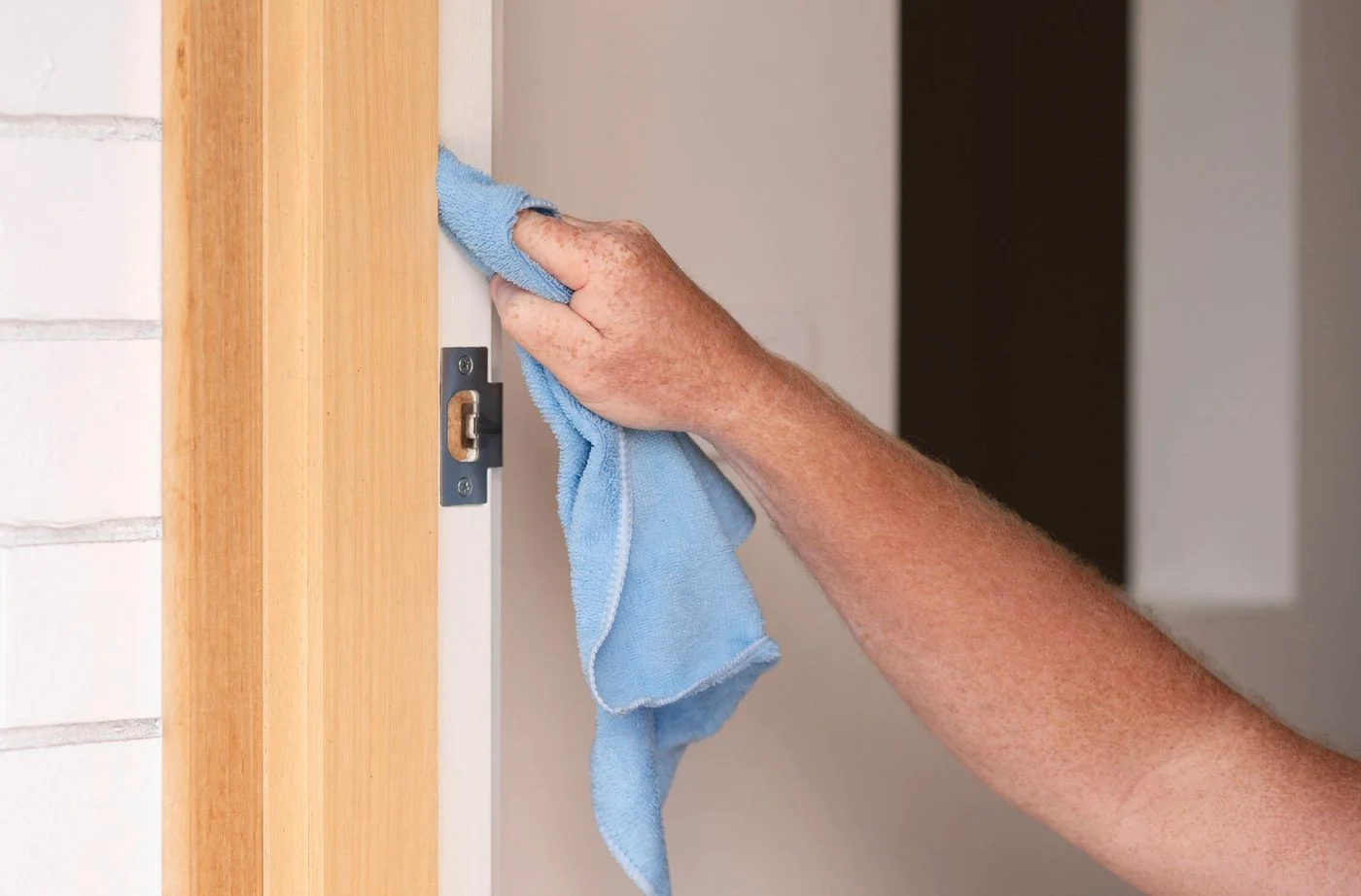
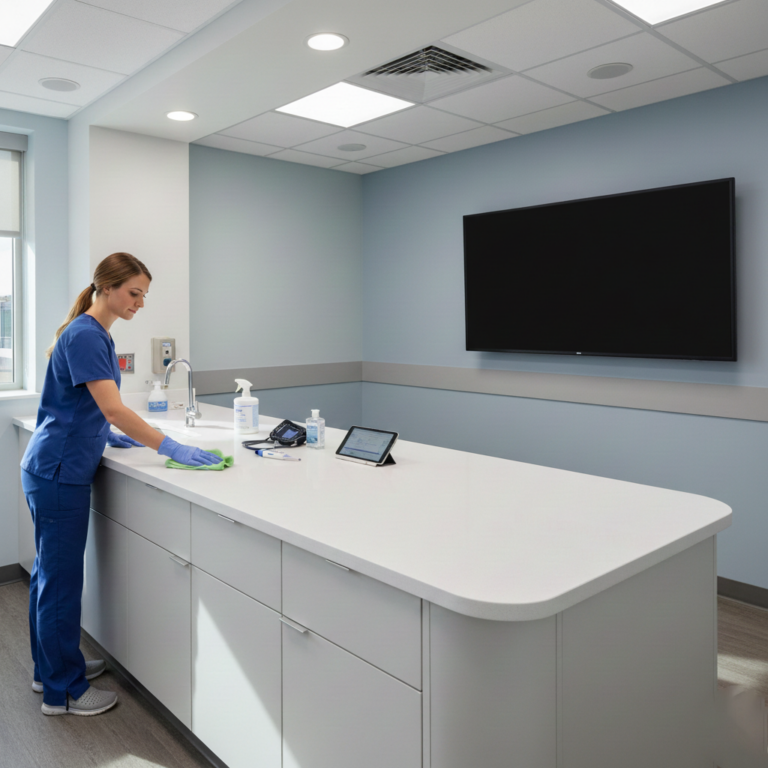
One of the top priorities in medical design is the ability to clean surfaces quickly and effectively. Reception desks, nurse stations, worktops, exam room counters, and restroom vanities need surfaces that can handle frequent cleaning without quickly showing wear. Materials that support a cleaner look and easier upkeep help staff maintain a more professional and reassuring environment.
2. Durability in High Use Areas
Healthcare spaces face continuous activity. Equipment may be moved across counters, supplies may be set down repeatedly, and surfaces may experience constant touching and cleaning. A strong material should resist scratches, stains, and surface fatigue so the space can maintain a quality appearance over time.
3. Low Maintenance Requirements
Healthcare teams already manage demanding schedules. Facilities benefit from surface solutions that are easy to maintain without requiring overly complex routines. Lower maintenance needs can help reduce labor strain while keeping the space visually presentable on a consistent basis.
4. Consistent Aesthetic Quality
Visual consistency is especially important in medical environments. Different rooms and departments should feel connected, calm, and professional. Reliable slabs and coordinated finishes can support a more unified healthcare experience from entry to treatment areas.
5. Long Term Value
Initial installation cost always matters, but lifecycle value matters just as much. Materials that remain attractive and functional for longer periods can reduce replacement frequency and improve return on investment. In healthcare settings, that can make a meaningful difference in budgeting and facility planning.
Best Applications for Medical Facility Surface Materials
Every area inside a healthcare facility has different operational needs, but many share the same goal: a surface that performs reliably while supporting a clean, professional look.
Reception and Check In Areas
The front desk is often the first point of contact for patients and visitors. Surfaces in this area should communicate professionalism and order from the first moment of arrival. A polished, durable reception counter can help establish trust while standing up to constant interaction, paperwork, devices, and regular cleaning.
Exam Room Counters
Exam and consultation rooms require practical surfaces that can handle repeated use without losing visual appeal. These spaces benefit from materials that remain easy to clean and maintain while supporting a calm, organized atmosphere for both staff and patients.
Nurse Stations and Staff Work Areas
Workstations in healthcare settings often serve as high activity zones. Staff members move quickly, handle supplies, review documentation, and perform frequent task switching throughout the day. These areas need durable surfaces that support workflow efficiency and remain presentable despite heavy use.
Laboratory and Procedure Support Areas
Some medical environments require surfaces that can maintain strong performance under more demanding conditions. While exact project requirements vary, decision makers generally benefit from choosing materials that support long lasting use and dependable maintenance standards.
Restroom and Vanity Surfaces
Patient and visitor restrooms contribute significantly to overall perception. Vanity tops and surrounding surfaces should remain clean looking, easy to maintain, and visually aligned with the quality standards of the facility. A worn restroom surface can weaken the impression built elsewhere in the space.
Waiting Rooms and Shared Spaces
Shared areas often shape the emotional tone of the visit. Durable, attractive surfaces in these spaces can help create a more welcoming environment while staying functional through frequent public use.
Design Trends Shaping Medical Surface Selection
Healthcare design now blends function with a more human centered approach. Sterile appearance alone is no longer enough. Many modern facilities are moving toward interiors that feel cleaner, calmer, and more thoughtfully designed without sacrificing performance.
This shift has increased demand for surfaces that offer:
- Soft and contemporary visual finishes
- Bright, clean aesthetics
- Reliable durability for busy environments
- Seamless coordination across departments
- Materials that support both performance and comfort
As a result, medical facility surface materials are now part of a broader conversation about patient experience, staff morale, brand positioning, and operational excellence.
Practical Tips for Choosing the Right Healthcare Surface
Material selection becomes easier when project teams ask the right questions early in the process. Instead of focusing only on visual appeal, consider how the space will function day after day.
Here are five practical tips:
- Define how each area will be used
A reception desk, exam room, restroom vanity, and staff station all face different demands. Match the material to the actual use of the space. - Consider the cleaning routine
Surfaces should support the daily maintenance reality of the facility. Easy upkeep often matters just as much as design appearance. - Think about longevity, not just installation cost
Lower priced materials may seem attractive at first, but early wear or replacement can create higher long term costs. - Prioritize visual consistency across patient facing areas
A connected design language can improve the overall patient experience and strengthen brand perception. - Work with a trusted surface manufacturer
Reliable quality, strong product consistency, and design credibility can reduce project uncertainty and improve final results.
Why Material Quality Directly Affects Operations
Healthcare leaders often focus on technology, staffing, compliance, and patient flow, which is understandable. Still, surface quality quietly affects many daily operational realities. Materials influence how quickly spaces can be cleaned, how often repairs are needed, how long finishes stay presentable, and how confidently the facility can present itself to patients and partners.
That makes surface selection more than a design detail. It becomes an operational decision. A dependable material can support efficiency, reduce visual decline, and help a healthcare facility maintain a higher standard across both public and clinical spaces.
Why Hyundai L&C Is a Strong Choice for Healthcare Interiors
Hyundai L&C continues to stand out by offering surfacing solutions that balance durability, visual appeal, and practical performance. For medical and healthcare environments, that balance is essential. Spaces in this category need more than a stylish finish. They need materials that can support demanding daily use while maintaining a clean and professional image.
Architects, designers, builders, procurement teams, and facility leaders often look for trusted manufacturers that bring consistency and confidence to the selection process. Hyundai L&C offers value in projects where surface quality is closely connected to both operational function and public perception.
With healthcare environments becoming more focused on long term performance and patient centered design, dependable surfacing has become a smarter investment than ever.
Key Benefits of Strong Medical Surface Selection
Choosing the right surface can support several goals at once:
- Better patient first impressions
- Easier daily maintenance
- More durable performance in high traffic spaces
- Stronger long term value
- Cleaner and more professional interior presentation
These benefits may seem simple on the surface, but in a medical setting, they can shape everyday performance in meaningful ways.
Conclusion
The best medical facility surface materials help healthcare spaces look credible, stay functional, and support the demands of daily care delivery. From reception areas and exam rooms to staff stations and shared spaces, the right surface can improve durability, strengthen patient perception, and support smoother operations over time. Hyundai L&C offers design forward surfacing solutions for healthcare projects that require both visual quality and reliable performance. Visit https://hyundailncusa.com/ to explore surface materials built for modern medical environments.