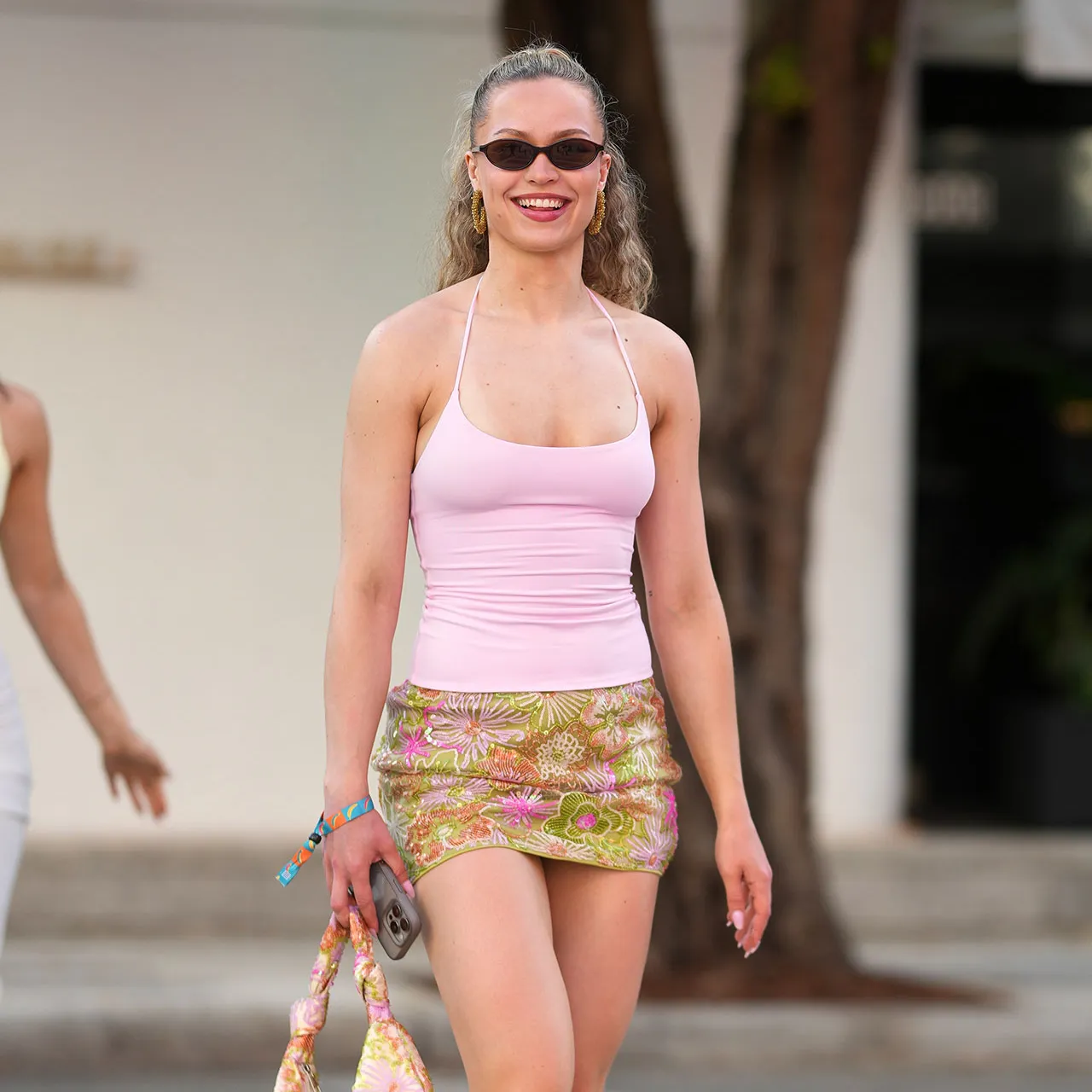
Heatwave Fashion Problems gets difficult when extreme heat turns every extra layer into a comfort decision. The cleanest solution is to build around loose shapes, pale colors, and fabrics that release heat quickly, then edit out anything that adds heat, weight, or fuss without serving a purpose. A useful place to collect fresh combinations is heatwave outfit guidance, but the practical test is simple: the outfit should still feel comfortable after an hour outside, not only when you first get dressed.
Clothing Sources for This Weather Problem
Shopping becomes easier when you separate the problem into roles: base layer, mid-layer, outer protection, footwear, and finishing pieces. The five options below approach those roles differently. Use them as comparison points rather than as a ranking, and prioritize the category that fixes the biggest weakness in your current wardrobe.
1. Uniqlo
Uniqlo is useful when the goal is low-bulk layering. Its AIRism range is built around moisture management for warm conditions, while HEATTECH is designed as a lightweight thermal base layer for colder weather. For this topic, its biggest advantage is that you can solve the comfort problem without building a complicated outfit. A good choice should support quick-drying tops, airy trousers, breathable dresses, and minimal layers without making the rest of the outfit harder to wear.
2. Athleta
Athleta focuses on active and lifestyle clothing with stretch, lightweight fabrics, layering pieces, and sun-protective options across parts of its assortment. It can work well when comfort and movement matter as much as polish, especially in heat, humidity, travel, or long days on your feet. Here, the brand is most useful as a source for one functional layer that can disappear visually into a normal wardrobe. Keep the selection narrow and make sure it works with shoes and layers you already own.
3. Columbia Sportswear
Columbia Sportswear offers a broad mix of rainwear, insulated outerwear, sun-protective pieces, and active clothing. That range is helpful when weather protection matters but you still want an outfit that can be worn for commuting, errands, travel, or casual plans. For these conditions, focus on its simpler pieces and avoid buying more technical features than you will actually use. For extreme heat, compare fabric weight and breathability before color or trend details.
4. REI Co-op
REI Co-op is useful for comparing practical clothing categories in one place, including sun-protective apparel, base layers, rain gear, hiking shirts, quick-drying pants, and accessories. Its own REI Co-op line also covers many of those needs. The practical value is versatility: choose pieces that can stay in rotation after the difficult weather passes. When shopping, test the piece against the main need here: quick-drying tops, airy trousers, breathable dresses, and minimal layers.
5. Everlane
Everlane is useful for pared-back everyday dressing because its assortment commonly centers on simple shirts, knitwear, trousers, denim, dresses, linen, cotton, and outer layers. Those basics are easy to combine when the weather is variable or when you need a small travel wardrobe. Use it selectively. One well-chosen layer is often enough to improve comfort while keeping the rest of the outfit familiar. A good choice should support quick-drying tops, airy trousers, breathable dresses, and minimal layers without making the rest of the outfit harder to wear.
Choose Function First, Then Refine the Look
The best purchase is usually the item that removes one recurring problem without forcing you to rebuild everything around it. Compare weight, cut, care requirements, packability, and how the piece behaves indoors. Use hot-weather closet planning to spot overlaps in your closet. If a new layer only works with one outfit, it may create more complexity than it solves.
Frequently Asked Questions
What should I avoid?
Avoid tight waistbands, dark heavy fabrics, and layered styling for its own sake. Those choices tend to make the outfit harder to regulate, slower to dry, or visually heavier than necessary for the conditions.
Which fabrics usually work best?
Prioritize quick-drying tops, airy trousers, breathable dresses, and minimal layers. The best choice depends on the forecast and how long you will be outside, but the goal is to manage temperature and moisture without adding unnecessary weight.
How can I keep the outfit looking polished?
Repeat colors, keep the silhouette controlled, and let only one piece look overtly technical. Clean footwear, restrained accessories, and consistent proportions usually do more for polish than adding another trend-driven item.
Build Around Fewer, Better Layers
The easiest way to handle extreme heat is to stop treating comfort and style as separate goals. Build the outfit around loose shapes, pale colors, and fabrics that release heat quickly, then remove anything that does not help. Once the practical pieces are in place, easy heatwave wardrobe inspiration can help with color and combination ideas. A smaller set of dependable layers will usually look better, pack easier, and feel more natural than an outfit overloaded with weather-specific extras.

