Understanding Basement Waterproofing Costs
Basement waterproofing costs in Ontario vary considerably depending on the source of water, foundation construction, property access, and the repair method required. A minor crack may need only a localized repair, while recurring groundwater intrusion may require a drainage system or extensive exterior excavation.
For homeowners planning a repair in 2026, understanding typical price ranges can make estimates easier to evaluate. However, published prices are budgeting guides rather than guaranteed quotes. Conditions beneath the soil are not always visible until an inspection or excavation takes place.
The most important first step is identifying why water is entering the basement. Paying for a complete waterproofing system without understanding the cause can lead to unnecessary expenses. Sometimes, improving surface drainage or extending downspouts is enough to reduce the problem significantly.
Typical Basement Waterproofing Costs in Ontario
The following ranges provide general estimates in Canadian dollars for common residential projects. Prices vary by municipality, contractor, property conditions, materials, and project scope.
| Waterproofing method | Approximate cost |
| Downspout extensions and minor drainage improvements | 200–1,000+ |
| Localized grading work | 500–3,000+ |
| Foundation crack injection | 400–1,100 per crack |
| Sump pump installation | 650–4,000 |
| Interior perimeter drainage and waterproofing | 80–150 per linear foot |
| Complete interior drainage system | 8,000–15,000 |
| Exterior membrane waterproofing | 150–300 per linear foot |
| Full exterior perimeter waterproofing | 15,000–35,000+ |
These estimates are particularly useful for initial planning, but they should not be treated as fixed provincial prices. Projects in the Greater Toronto Area may cost more than comparable work in some smaller Ontario communities. Complex excavation, deep foundations, and extensive restoration can increase costs further.
Interior Drain Tile and Drainage Systems
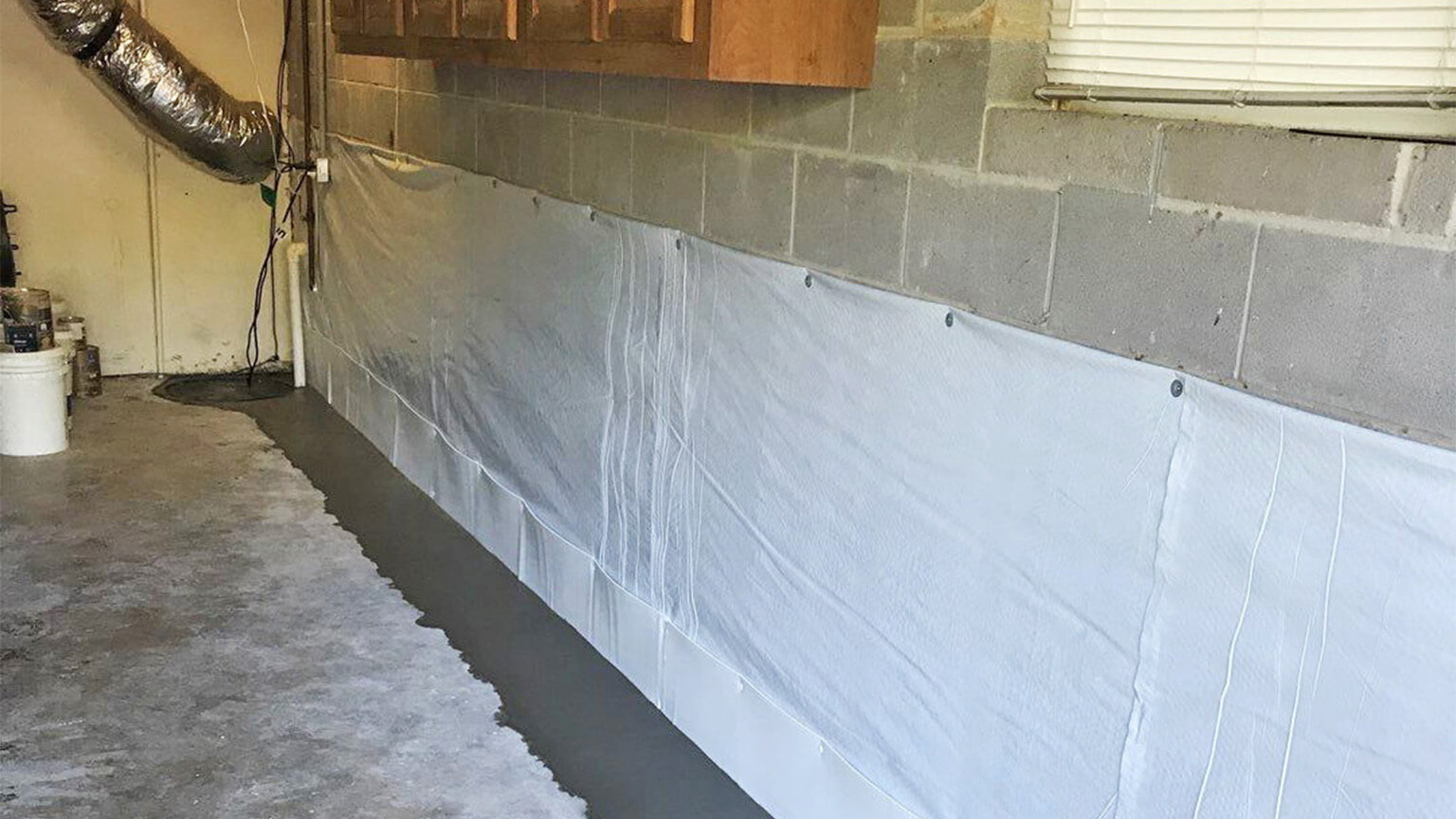
Interior drain tile, often referred to as an interior perimeter drainage system, is designed to collect water that reaches the inside of the foundation and direct it to a sump pit or another suitable drainage arrangement.
Installation commonly involves removing a strip of basement flooring near the walls, creating a channel, installing drainage components, and restoring the concrete. A sump pump may be installed or upgraded as part of the project.
A typical Ontario budgeting range is approximately $80 to $150 per linear foot for an interior system, although actual quotes may fall outside this range depending on what is included. A complete system for an average home may cost around $8,000 to $15,000.
The final price depends on the basement perimeter, concrete thickness, access, existing drainage, sump pit requirements, and restoration work. Adding a battery backup, high-water alarm, or electrical improvements may increase the total.
Interior drainage is often considered when water repeatedly enters along the wall-floor joint or when groundwater needs to be managed beneath the basement floor. It does not automatically repair every foundation crack or stop water from reaching the exterior wall, so the system should be selected according to the diagnosed problem.
Exterior Waterproofing Membranes
Exterior waterproofing aims to reduce water penetration before it reaches the foundation wall. The work may involve excavating beside the affected wall, preparing the foundation surface, repairing defects, applying a waterproof membrane, installing a drainage layer, and inspecting or replacing perimeter drainage.
This approach can be suitable when an existing exterior membrane has deteriorated or when persistent water intrusion requires an outside repair. It can also allow contractors to inspect portions of the foundation that would otherwise remain buried.
Exterior work typically costs more because it requires excavation and subsequent restoration. As a broad Ontario estimate, costs may range from $150 to $300 per linear foot. A full perimeter project can fall between $15,000 and $35,000 or more, depending on the home and scope.
Factors such as foundation depth, narrow side yards, decks, driveways, landscaping, underground utilities, and soil removal can significantly affect the total. A quote should explain whether backfilling, landscaping, paving, and other restoration work are included.
Although exterior waterproofing can be more expensive upfront, it may be appropriate when the underlying problem requires treatment from outside. The cheapest method is not necessarily the most cost-effective if it fails to address the source of the water.
Foundation Crack Injection
Crack injection is a more localized repair intended for suitable foundation cracks. Contractors may use polyurethane or epoxy materials, depending on the crack’s characteristics and the purpose of the repair.
Polyurethane is commonly used to seal leaking cracks because it can accommodate some movement. Epoxy can be suitable for certain stable cracks where structural bonding is required. A professional should assess the crack before recommending a material.
A typical budget for crack injection is approximately $400 to $1,100 per crack. Costs may be higher for difficult access, multiple repair points, extensive preparation, or additional structural work.
This method can be a sensible option when one identifiable crack is responsible for water entry. However, it may not resolve water coming through multiple wall-floor joints, a deteriorated drainage system, or widespread groundwater pressure.
Cracks that widen, show displacement, or occur alongside bowing walls should be assessed carefully. A cosmetic seal should not be considered a substitute for investigating a possible structural problem.
Sump Pump Costs and Backup Protection
A sump pump removes water collected in a sump pit. Depending on the installation, the project may include the pump, pit, discharge piping, check valve, electrical work, and concrete restoration.
Replacing a pump in an existing pit may cost several hundred dollars, while installing a new system can cost considerably more. A broad installed range of $650 to $4,000 covers many residential situations, although complex work may exceed it.
Battery backup systems can add approximately $300 to $700 or more, depending on the model and installation. They may be particularly useful when heavy rain coincides with power outages.
Ask whether the estimate includes a high-water alarm, backup power, discharge arrangements, and testing. Confirm that discharged water will be directed to an appropriate location and that the installation meets applicable local requirements.
What Factors Affect the Final Price?
Size and Layout of the Basement
A larger basement generally has a longer perimeter and may require more drainage material, labour, and concrete restoration. Irregular layouts or limited access can make installation more complicated.
Foundation Type and Condition
Poured concrete, concrete block, and older masonry foundations can require different repair approaches. Existing cracks, deteriorated materials, and previous repairs may add work to the project.
Water Source and Severity
A single localized leak may require a relatively small repair. Persistent seepage, multiple leak points, or high groundwater levels may require a broader drainage strategy.
Excavation and Site Access
Exterior projects become more expensive when contractors must work around decks, patios, driveways, retaining walls, landscaping, or underground utilities. Deep foundations can also increase excavation requirements.
Materials and Equipment
The type of membrane, drainage pipe, sump pump, backup system, and other components affects the final price. Ask for specifications rather than relying on general descriptions such as premium materials.
Labour and Restoration
Quotes may differ because one includes concrete replacement, landscaping, cleanup, and disposal while another excludes them. Always compare the full scope rather than the headline price.
How to Avoid Paying for Unnecessary Work
Start with the least disruptive potential causes. Inspect gutters, downspouts, window wells, and grading around the house. Correcting roof runoff or surface drainage may help when water is being directed toward the foundation.
If water continues to enter, arrange a professional inspection. Ask the contractor to explain the evidence supporting the diagnosis and why the recommended method is more appropriate than a localized repair.
Be cautious when a contractor recommends a full perimeter system without explaining why the water is entering. A reliable proposal should identify the problem areas, describe the work, and explain the limitations of the proposed solution.
Keep photographs of the affected areas and record when leaks occur. Information about rainfall, snowmelt, and recurring wet spots can help a contractor investigate the issue.
Why You Should Get Multiple Quotes
For a significant project, obtaining two or three written estimates is a practical way to compare costs and proposed solutions. Each contractor should be assessing the same problem and quoting a clearly defined scope.
Compare the materials, installation method, restoration, warranty, timeline, and exclusions. If one estimate is substantially lower, ask whether it omits the sump pump, concrete work, disposal, or other important components.
Request a written payment schedule and confirm how additional work will be approved if unexpected conditions are discovered. Avoid relying on verbal assurances about the final price or warranty coverage.
For free estimates from Ontario basement waterproofing contractors, this province-wide network can help homeowners explore contractor options in their area. Verify each contractor’s service coverage, qualifications, insurance, and written terms before signing an agreement.
Warranties, Permits, and Other Considerations
Before work begins, ask for the warranty in writing. Determine whether it covers labour, materials, and water intrusion, and review any exclusions or maintenance requirements.
Check whether permits or inspections are required for the planned work. Requirements depend on the type of installation and the municipality. Plumbing or electrical changes may involve additional rules, and the contractor should clarify who is responsible for obtaining necessary approvals.
Homeowners should also review their insurance policy. Standard home insurance does not necessarily cover the cost of preventative waterproofing, and coverage for resulting water damage depends on the policy and circumstances. Ask the insurer about relevant exclusions before assuming that a future loss will be covered.
Some municipalities offer assistance for specific flood-prevention measures. These programs can have eligibility requirements, approved work categories, and deadlines. Check the current municipal rules directly before including a rebate in your budget.
Is Basement Waterproofing Worth the Investment?
The value of waterproofing depends on the severity of the problem, the chosen solution, and the consequences of leaving the issue unresolved. Persistent moisture can damage finishes and stored belongings, while ongoing water intrusion may contribute to deterioration or mould-related concerns.
A well-planned repair can help protect the basement and make the space more usable. However, the investment should be proportionate to the problem. A localized leak should not automatically lead to a costly full-perimeter project, and a minor surface adjustment should not be expected to resolve a serious drainage failure.
The most sensible approach is to diagnose the water source, compare suitable repair options, and obtain clear written estimates.
Conclusion
Basement waterproofing costs in Ontario in 2026 range from relatively small localized repairs to major projects costing tens of thousands of dollars. Interior drain tile, exterior membranes, crack injection, and sump pump installations each address different conditions.
Understanding the price ranges is a useful starting point, but the final decision should depend on the home’s foundation, drainage conditions, and the source of water. Compare multiple written quotes, ask about warranties and exclusions, and verify applicable requirements before work begins.