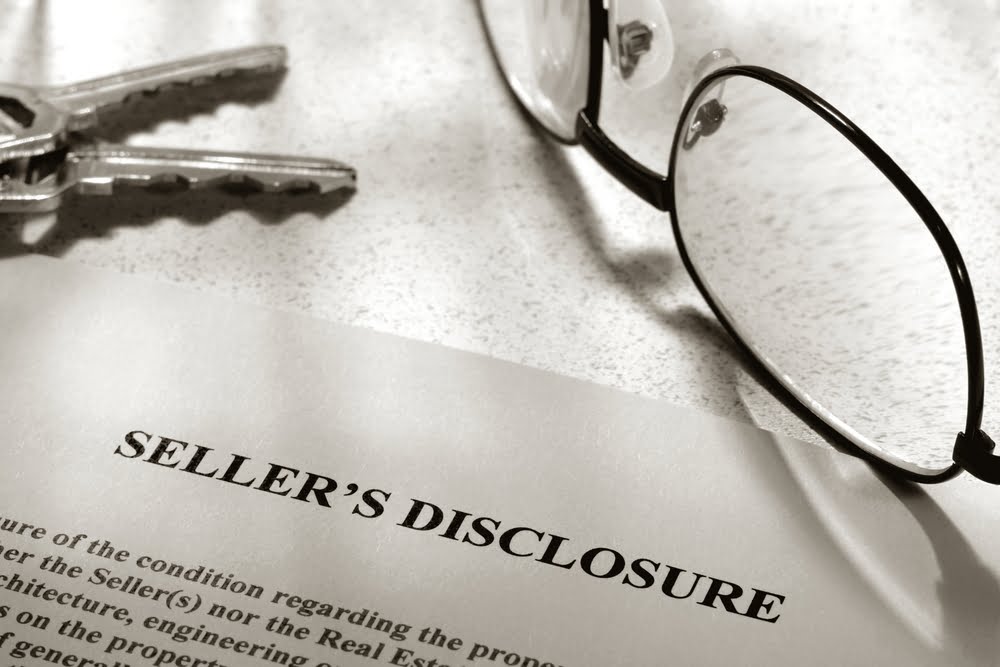
Real estate conflicts can depend on a few words in a deed, contract, notice, survey, or local rule. For a property disclosure issue, start with seller disclosure forms, repair invoices, inspection reports, photographs, contractor records, prior claims, permits, and written buyer-seller communications. The main risk is that omitting a known material condition or overstating what was disclosed can lead to contract, fraud, or statutory claims depending on state law. Keep seller disclosure research in your broader research file, but let the actual transaction record drive the legal questions. Because the title does not name a state or city, any final strategy must be checked under the law where the property is located.
Firms With Real Estate Dispute Capabilities
The five firms below are real U.S. legal providers with published property-law capabilities relevant to this topic. They are not ranked. For this issue, first separate what is known, what is suspected, what was repaired, and what documentation exists before completing disclosure forms. That step helps counsel focus on a specific legal question instead of an unstructured collection of documents.
1. Holland & Knight LLP
Holland & Knight LLP can be compared for matters involving purchase-and-sale, title, boundary, encroachment, easement, adverse-possession, zoning, foreclosure, condominium, and construction matters. An initial consultation should focus on the governing documents, the disputed facts, and the deadline or remedy that matters most. The firm’s typical client mix may be commercial, so confirm fit and likely cost for a residential or smaller-value dispute.
2. Seyfarth Shaw LLP
Seyfarth Shaw LLP has published real estate capabilities covering easements, title disputes, partition actions, purchase agreements, foreclosures, condominium matters, land use, and construction claims. Ask whether the matter is better handled through correction, negotiation, an administrative process, an insurance claim, or litigation. Confirm state-law experience, conflicts, fees, and who would actually handle the file before engaging the firm.
3. Akerman LLP
Akerman LLP is a U.S. firm with published work involving title, access, boundary, encroachment, land-use, foreclosure, condominium, and construction disputes. Use the first meeting to test jurisdiction, likely forum, evidence needs, and whether early resolution is realistic. The firm’s typical client mix may be commercial, so confirm fit and likely cost for a residential or smaller-value dispute.
4. Ballard Spahr LLP
For this type of matter, Ballard Spahr LLP is relevant because its public practice materials include title, financing, foreclosure, sales-contract, zoning, easement, adverse-possession, condominium, and construction disputes. For a property disclosure issue, bring the core documents and ask how the firm would identify the controlling right or obligation. Confirm state-law experience, conflicts, fees, and who would actually handle the file before engaging the firm.
5. Greenberg Traurig LLP
Greenberg Traurig LLP’s public practice descriptions include real estate litigation, foreclosures, land use, construction disputes, lending matters, and ownership conflicts. An initial consultation should focus on the governing documents, the disputed facts, and the deadline or remedy that matters most. The firm’s typical client mix may be commercial, so confirm fit and likely cost for a residential or smaller-value dispute.
What Matters When Choosing a Provider
Ask whether the lawyer regularly handles a property disclosure issue in your state, what deadline applies, what forum is likely, and what result is realistically available. Use property lawyer research to organize possible counsel, then verify licensing, conflicts, fees, staffing, and local experience. A national firm may offer deeper subject knowledge, while a local lawyer may provide a more practical fit for a smaller residential dispute.
Frequently Asked Questions
What property conditions usually require disclosure?
Disclosure duties vary by state, but laws often focus on known material defects or specific conditions identified by statute. Sellers should use the required forms, answer accurately, and avoid guessing. When uncertain, legal advice can help distinguish a disclosure duty from a nonmaterial maintenance issue.
Should repaired defects still be documented?
Keeping records is wise. Prior repairs, invoices, warranties, permits, and related reports can show what happened and what was done. Whether a repaired condition must be disclosed depends on applicable law and the form being used, so do not assume repair automatically ends every disclosure obligation.
Can buyers make claims after closing?
Potentially. Post-closing claims can arise when buyers allege a seller, broker, contractor, or other party concealed or misrepresented a material condition. Success depends on the contract, disclosure law, evidence of knowledge, reliance, causation, and applicable filing deadlines.
Keep the Next Step Proportionate
A strong next step starts with preserved originals, a clean timeline, and a remedy tied to the governing document. For a property disclosure issue, avoid irreversible changes or missed deadlines while the legal basis remains uncertain. Keep disclosure evidence materials with your surveys, contracts, notices, and correspondence, then use state-specific counsel when ownership, money, access, or closing rights are at stake.