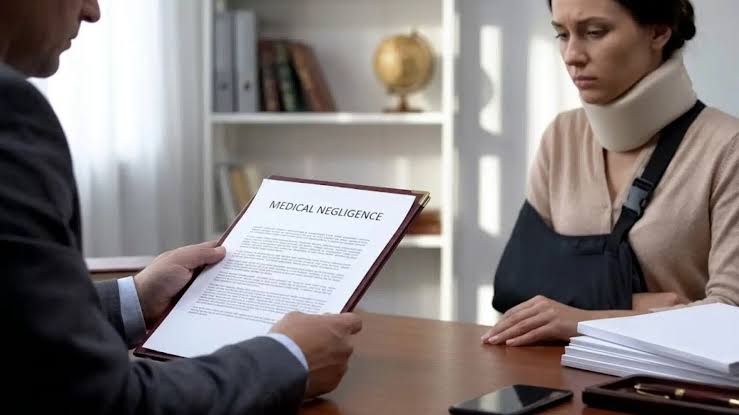
A poor medical outcome does not automatically mean negligence occurred. Reviewing a possible medical negligence issue usually begins with understanding what treatment was provided, what information was available at the time, what happened afterward, and whether the claimed harm is connected to the disputed care.
Complete records give reviewers a stronger starting point than recollection alone.
Request the Medical Record Early
Relevant material may include office notes, hospital records, medication lists, laboratory results, imaging reports, procedure notes, consent documents, discharge instructions, referrals, and billing records.
Under HIPAA, individuals generally have a right to access protected health information about themselves in designated record sets maintained by covered providers and health plans, subject to limited exceptions. HHS explains these protections in its medical-record access guidance. HHS.gov
Keep the record in the form received. Avoid writing directly on originals.
Build a Separate Timeline
Medical charts can be hundreds of pages long. A short chronology helps identify the sequence of appointments, symptoms, tests, treatments, communications, referrals, and later complications.
People researching disputes sometimes encounter general criminal and legal commentary, but medical negligence usually involves distinct civil-law questions. Online categories should not be used to classify a specific case without professional review.
| Material | Main Purpose | Detail to Preserve |
|---|---|---|
| Clinical notes | Shows documented care | Complete pages |
| Test results | Shows available findings | Collection dates |
| Messages | Shows communications | Full conversation |
| Bills | Shows financial impact | Original statements |
Separate Medical Harm From Legal Negligence
An injury, complication, delayed recovery, or disappointing result can exist without proving that a provider violated the legally required standard of care. Conversely, a seemingly small error can matter greatly if it caused measurable harm.
When long-term impairment is involved, people may research disability-related legal subjects as background. Whether an impairment qualifies for a particular benefit or legal protection is a separate question from whether medical negligence occurred.
Expert review is often important in medical malpractice matters because clinical judgments must be considered in the context in which care was provided.
Preserve Expenses and Later Treatment Evidence
Keep invoices, insurance explanations of benefits, prescription expenses, rehabilitation records, transportation costs, and employment-related documentation where they relate to claimed losses.
If you consult counsel, understanding basic lawyer and attorney terminology may make initial research easier. More important is finding someone qualified in the relevant jurisdiction and practice area.
State rules can affect filing deadlines, pre-suit notices, expert requirements, damages, and procedural steps. A delay in obtaining case-specific advice can therefore matter.
Assumptions That Can Distort the Review
One mistake is treating a bad result as automatic proof of malpractice. Another is assuming that a normal test result automatically proves the care was proper.
Medical negligence analysis usually requires context: what symptoms were reported, what information a clinician had, what alternatives were reasonable, what happened next, and whether the disputed conduct actually caused the claimed harm. Avoid selectively keeping only records that support one interpretation.
When Professional Review Should Not Wait
Immediate health problems should be addressed through appropriate medical care rather than delayed while evidence is gathered. For a possible legal claim, prompt review may also matter because limitation periods and procedural requirements differ among states.
Serious permanent injury, death, disputed diagnosis, unexpected surgery complications, or extensive financial losses are examples of situations where qualified legal review may be particularly important.
Frequently Asked Questions
Can I request medical records before contacting a lawyer?
Generally, patients can request many of their own medical and billing records directly from covered health care providers under HIPAA, subject to limited exceptions.
Does an incorrect diagnosis always amount to negligence?
No. A diagnostic error and legal negligence are not identical. The circumstances, available information, standard of care, causation, and resulting harm can all affect the analysis.
Why does the treatment timeline matter?
A timeline helps reviewers connect symptoms, decisions, testing, treatment, communications, and later outcomes. It can also reveal missing records or events that need closer investigation.
Prepare the Facts for a Meaningful Review
Medical negligence questions are easier to examine when the record is complete and organized. Obtain available records, preserve communications, build a factual chronology, document related losses, and obtain jurisdiction-specific advice before assuming either that negligence occurred or that a claim has no merit.
This article is for general informational purposes and is not a substitute for professional legal or medical advice.