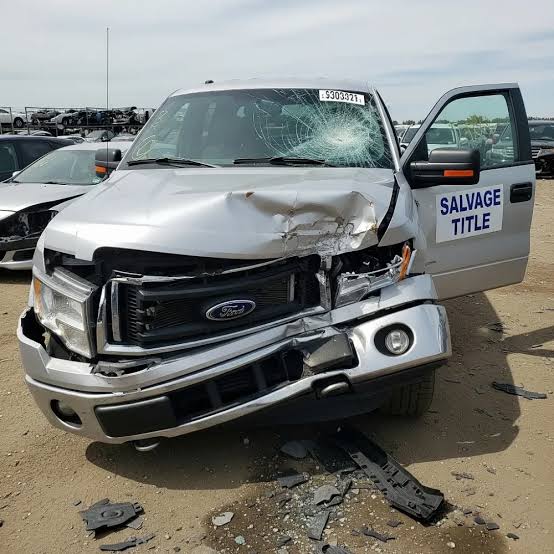
A salvage-title vehicle may be offered at a significant discount, but the lower price comes with questions that ordinary used-car shopping may not involve. Serious collision damage, flooding, theft recovery, fire, or another major event may have affected the vehicle before it returned to the market.
Understanding exactly what happened is more useful than judging the car by appearance alone.
Find Out Why the Title Changed
A salvage designation generally indicates that the vehicle experienced a major loss under the rules applying where it was titled. The specific terminology and requirements can differ by jurisdiction.
Ask the seller for title documentation, repair invoices, previous photographs, insurance-loss information if available, and details about who performed the work.
Broader vehicle history reading can help buyers identify questions worth asking, but official records and documentation connected to the individual vehicle deserve priority.
Inspect the Quality of Structural Repairs
Cosmetic repairs can make a badly damaged vehicle look convincing in photographs. Paint and replacement body panels do not reveal whether structural dimensions, restraint systems, wiring, suspension mounting points, or corrosion protection were restored properly.
An independent inspection should focus on the previous damage area as well as the rest of the vehicle.
General driving safety resources may help frame common concerns, yet a hands-on evaluation by a qualified professional is much more useful for a specific salvage vehicle.
| Area to Check | Possible Issue | Why It Matters |
|---|---|---|
| Frame or structure | Poor alignment or repair | Can affect handling and fit |
| Airbags | Missing or improper components | Safety system concern |
| Wiring | Hidden repairs or corrosion | Electrical reliability |
| Suspension | Bent or mismatched parts | Tire wear and handling |
Check Insurance and Financing Before Buying
Do not assume insurance coverage will work exactly as it would for a comparable clean-title vehicle. Some insurers may handle coverage or vehicle valuation differently.
Financing can also be more limited because lenders may have restrictions involving branded titles. Check these details before paying a deposit or signing a purchase agreement.
People comparing used-car ownership topics should treat insurance and financing as part of the purchase calculation rather than problems to solve after the vehicle has already been bought.
What a Low Price Does Not Prove
A large discount does not automatically make a salvage vehicle a bargain. The difference in purchase price can be offset by repair uncertainty, limited resale demand, insurance considerations, or problems that become visible later.
Another mistake is assuming a successful test drive proves the previous repair was correct. Many structural, electrical, corrosion, and restraint-system issues may not be obvious during twenty minutes behind the wheel.
The discount should compensate for additional uncertainty rather than distract from it.
Think About Resale Before You Commit
Even if you plan to keep the vehicle for years, circumstances can change. A branded title may reduce the number of future buyers willing to consider the vehicle.
Keep documentation showing what was repaired and who performed the work. Photographs from before and during reconstruction can also help explain the vehicle’s history later.
Compare the asking price with both clean-title examples and other branded-title vehicles. Comparing only against ordinary retail prices can exaggerate how large the apparent discount really is.
Frequently Asked Questions
Is every salvage-title car unsafe?
No. A title brand describes vehicle history, not the exact quality of current repairs. However, previous major damage makes careful documentation and independent inspection especially important.
Can a salvage vehicle be insured?
Coverage depends on the insurer, jurisdiction, vehicle, and title status. Contact insurers before purchasing so you understand available coverage and how the vehicle may be valued.
Are salvage vehicles harder to resell?
They can attract a smaller pool of buyers because future purchasers may have the same concerns about damage history, repair quality, financing, and insurance.
Make the History Part of the Price
Buying a salvage-title vehicle requires more than deciding whether it looks good today. Determine why the title was branded, inspect the repair quality, verify insurance options, and consider future resale.
A substantial discount may justify additional uncertainty for some buyers. What matters is entering the transaction with documentation and inspection results rather than discovering the vehicle’s history after money has changed hands.


