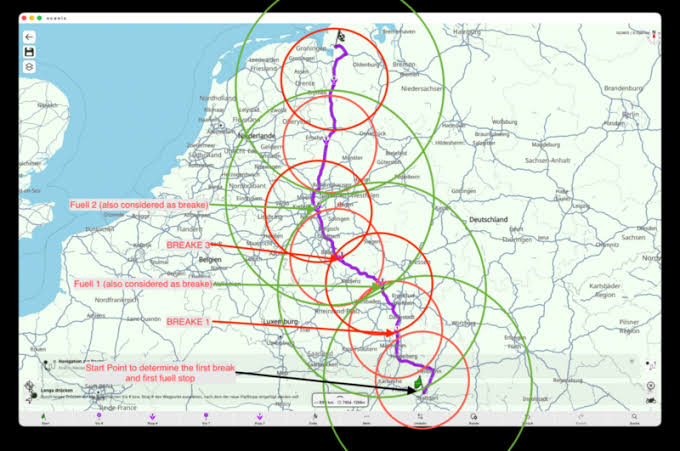
Fuel planning matters most where service stations become less frequent. A route that looks simple on a map may pass through long rural stretches, mountains, deserts, or highways with limited services. Knowing where reliable fuel stops are located reduces unnecessary stress and lowers the chance of stretching the tank farther than intended.
Start With the Vehicle’s Realistic Range
Dashboard range estimates are useful, but they shouldn’t be treated as guaranteed distance. Speed, headwinds, climbing, temperature, towing, traffic, and vehicle load can all change fuel consumption.
Plan using a sensible margin rather than arriving at a station with almost no fuel remaining. Remote travel gives drivers fewer alternatives if a planned stop is closed or inaccessible.
Broader driving and vehicle resources can help travelers think about maintenance and ownership factors, but fuel strategy still needs to be adjusted to the specific route.
Mark Fuel Stops Before Coverage Disappears
Navigation apps make fuel searches easy in populated areas. Remote locations can be different, particularly where mobile coverage becomes unreliable.
Identify several possible stations before entering a long low-service section. Save essential details offline when practical, and don’t depend on a single stop unless you have confirmed it fits your route.
People comparing road-trip vehicles through automotive search resources may also want to consider tank size and fuel consumption because these affect how frequently remote-route stops are needed.
| Route Situation | Fuel Concern | Planning Response |
|---|---|---|
| Long rural stretch | Few stations | Refuel early |
| Mountain driving | Higher consumption possible | Keep extra margin |
| Heavy vehicle load | Reduced efficiency | Shorten intervals |
| Poor phone coverage | Harder station search | Save stops offline |
Refuel Earlier Than You Would in a City
In an urban area, waiting for a low-fuel warning may still leave dozens of nearby choices. On a remote road, passing an open station because the tank appears “good enough” can remove the easiest opportunity for many miles.
Refueling earlier doesn’t mean stopping constantly. It means recognizing when the next dependable station is uncertain and taking advantage of the option already available.
Travel-related online planning campaigns may highlight scenic routes and destinations, yet practical stops for fuel, rest, and food deserve equal attention during route preparation.
Where Fuel Planning Commonly Goes Wrong
One problem is calculating distance while ignoring terrain. Continuous climbing, strong winds, roof cargo, towing, and heavy loads can push consumption higher than normal commuting figures suggest.
Another mistake is assuming every station displayed online will be open when you arrive. Small or remote businesses may have limited operating schedules, and temporary closures happen.
Drivers also sometimes rely too heavily on the vehicle’s remaining-range display. Treat that figure as an estimate that responds to recent driving conditions, not a promise that the vehicle will cover a precise number of miles.
Combine Fuel Stops With Rest Stops
Fuel planning becomes easier when stops also serve another purpose. A station can be a chance to stretch, use facilities, check tires visually, and confirm the next section of the route.
This approach also reduces the temptation to continue driving while tired simply because the tank still contains plenty of fuel.
Before leaving a populated area for a remote stretch, look ahead one more time. Knowing the next two possible stops creates a backup if the first option doesn’t work.
Frequently Asked Questions
How low should I let the fuel tank get on a remote road?
There is no single percentage suitable for every route. The safer approach is to maintain a larger reserve when fuel availability is uncertain and refuel earlier than you normally would in populated areas.
Can mountain driving use more fuel?
Yes. Long climbs can increase fuel consumption, although downhill sections may offset some of that difference. Vehicle weight, speed, engine type, and weather also affect overall fuel use.
Should I carry extra fuel on a road trip?
Transporting fuel introduces fire, storage, ventilation, and legal considerations. For ordinary trips, planning reliable fuel stops is generally simpler. If remote travel requires extra fuel, follow applicable laws and approved storage guidance.
Give Yourself More Than One Option
Good travel fuel planning isn’t about predicting consumption perfectly. It’s about leaving enough margin for unexpected conditions. Know the vehicle’s approximate range, identify multiple stations, refuel earlier on isolated roads, and save essential route information before mobile service disappears. A small amount of preparation can prevent a simple fuel stop from becoming a roadside problem.


