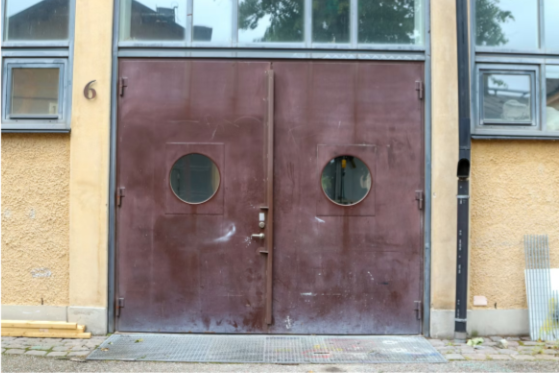
Commercial door entrance systems play a critical role in the security, accessibility, and efficiency of modern buildings. From office complexes to retail stores, these systems are designed to provide smooth entry and exit while protecting assets and ensuring safety.
Proper maintenance is essential to extend the life of the system, reduce repair costs, and prevent operational disruptions. Regular care and timely inspections can significantly improve performance and reliability.
Regular Inspection of Mechanical Components
One of the first steps in maintaining commercial door entrance systems is performing routine inspections of mechanical parts. Hinges, rollers, tracks, and door closers should be checked for signs of wear or misalignment.
Loose or damaged components can affect the smooth operation of the door and may cause safety hazards. Confined space lubrication and adjustment of moving parts help prevent friction, reduce noise, and ensure consistent performance over time.
When these parts fail, the door may slam shut or fail to close completely. This issue is common with heavy commercial door closers that handle high traffic. If you need help with these systems, a professional service like Nashville Door can inspect and repair the hardware. They have the tools to adjust the spring tension and fluid levels. Regular attention to these details keeps the entry secure and prevents accidents.
Cleaning and Lubrication
Dirt, dust, and debris can accumulate in door tracks and moving mechanisms, causing doors to operate sluggishly or unevenly. Commercial door entrance systems should be cleaned regularly using non-abrasive methods to remove grime.
Lubricating key components with appropriate oils or greases prevents wear and extends the lifespan of the system. It is important to avoid over-lubrication, which can attract more debris and create additional maintenance issues.
Electrical and Sensor Checks
Automated commercial door entrance systems often rely on electrical components, sensors, and control panels. Regularly checking these elements ensures that the doors respond accurately to user inputs and safety signals.
Inspect sensors for dirt or obstructions and verify that wiring and connections are secure. A malfunctioning sensor or faulty control can lead to operational failures or accidents, so timely maintenance is crucial for both safety and efficiency.
Testing Safety Features
Many commercial door entrance systems include safety features such as emergency release mechanisms, motion detectors, and obstruction sensors. Routine testing of these functions is essential to ensure that they work as intended during emergencies.
Any failure in safety mechanisms can put building occupants at risk, so documenting test results and addressing issues immediately is a key part of a comprehensive maintenance plan.
Professional Servicing and Repairs
While routine checks can be done in-house, professional servicing is recommended for complex or automated commercial door entrance systems. Technicians have specialized knowledge and tools to identify hidden issues, perform advanced adjustments, and replace worn components. Scheduling regular professional maintenance not only keeps the system operating efficiently but also extends its overall service life.
Record Keeping and Maintenance Logs
Maintaining detailed records of inspections, repairs, and servicing helps track the performance of commercial door entrance systems over time. Logs provide valuable insights into recurring issues, component lifespan, and warranty compliance.
Proper documentation also supports proactive maintenance planning and reduces unexpected downtime.
Final Thoughts
Proper maintenance of commercial door entrance systems ensures smooth operation, enhanced security, and longevity of the equipment. Regular inspections, cleaning, lubrication, sensor checks, safety testing, professional servicing, and record keeping are all critical steps.
By investing time and resources into a structured maintenance plan, businesses can prevent costly repairs, improve safety, and provide reliable access for employees and visitors alike.