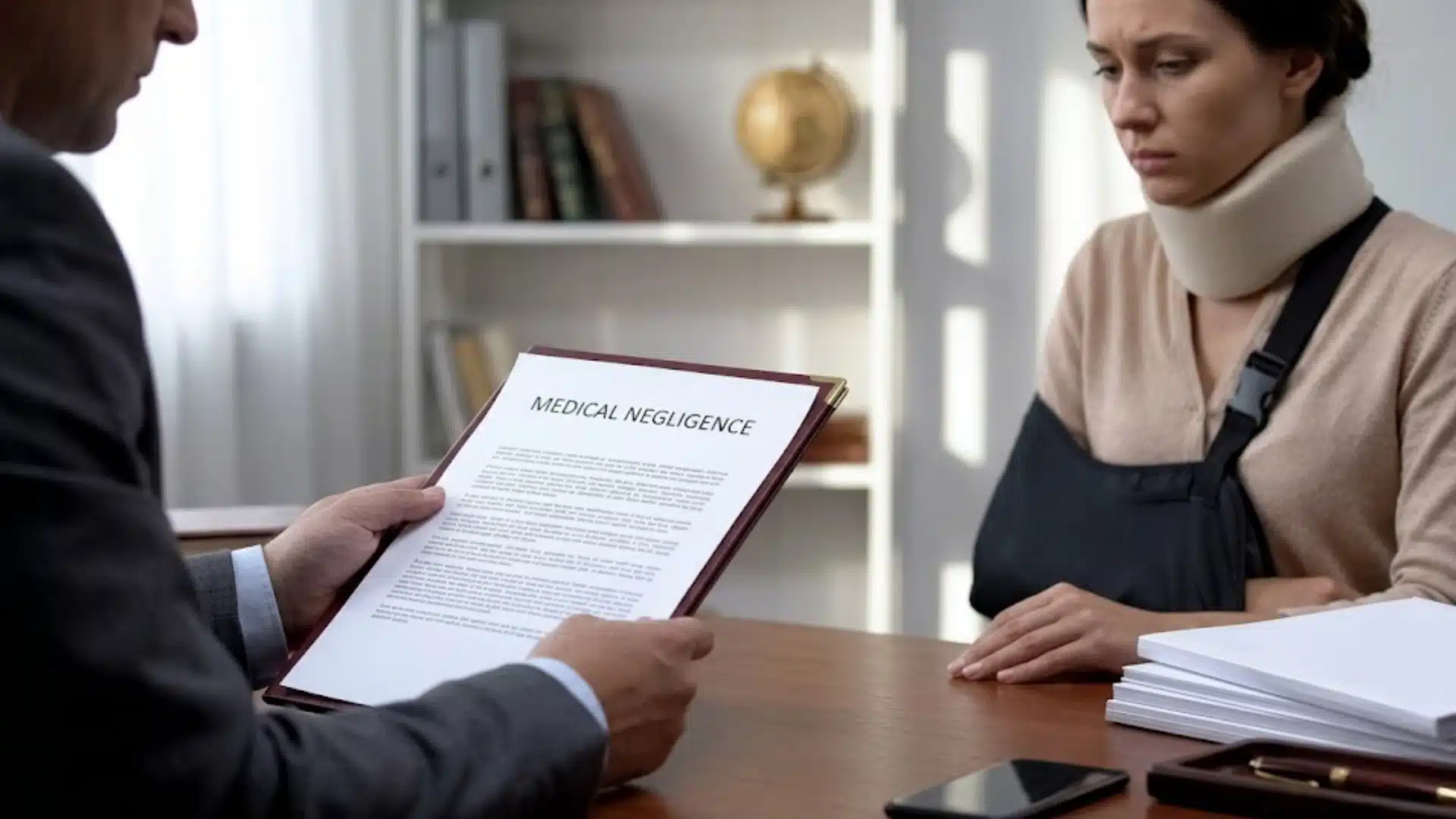
Questions about medical negligence often begin with an unexpected outcome, delayed diagnosis, medication problem, surgical complication, or breakdown in follow-up. An adverse result does not by itself establish negligence, and many questions cannot be evaluated from a short description. A complete medical record, timeline, bills, test results, and written communications give any independent reviewer a better foundation. For broader background on disputes and rights, plain-language legal reading can sit alongside official complaint instructions while you organize the facts.
Services That Can Help Clarify the Next Step
The organizations below serve different functions. Some accept complaints, some explain federal rights or insurance processes, and some connect people with local advocacy or legal help. They are not ranked, and each resource should be used only for the part of the problem that fits its authority.
1. Patient Advocate Foundation
Patient Advocate Foundation provides case-management and navigation support for eligible patients facing access, insurance, financial, and care-related obstacles. It can be a practical place to organize a difficult issue, understand what documents matter, and identify the next administrative step without assuming that every problem requires a lawsuit. In a medical negligence questions situation, contact is more productive when you can explain the event in a short timeline and provide the key notice or record.
2. Legal Services Corporation-Funded Legal Aid
Legal Services Corporation funds independent nonprofit civil legal-aid organizations across the United States. People who meet a local program’s eligibility rules can use LSC’s locator to find legal-aid providers that may handle health-benefit disputes, disability access, elder issues, consumer problems, or other civil matters connected to medical care. This resource does not resolve every medical negligence questions dispute, so check its jurisdiction and intake rules before assuming it is the final forum.
3. HHS Office for Civil Rights (OCR)
The U.S. Department of Health and Human Services Office for Civil Rights handles complaints involving health information privacy, certain patient confidentiality rules, and discrimination in covered health programs. Its complaint process is especially relevant when a concern involves HIPAA-regulated organizations or civil-rights protections in health care. For people dealing with medical negligence questions, it can serve as one part of a broader process that may also involve the provider, insurer, regulator, or legal counsel.
4. FDA MedWatch
FDA MedWatch is the Food and Drug Administration’s safety-reporting program for serious adverse events, medication or product-use errors, therapeutic failures, and product-quality concerns involving medical products. Patients and consumers may submit voluntary reports, and clinical details from medical records can make a report more useful. The value of this option in a medical negligence questions matter is its defined role; use it for the part of the dispute it is actually designed to review.
5. Protection and Advocacy Network
The Protection and Advocacy systems represented nationally by the National Disability Rights Network protect the rights of people with disabilities. Depending on the state and issue, a local P&A organization may address abuse, access barriers, institutional-care concerns, discrimination, or failures to respect disability-related rights in health settings. This resource does not resolve every medical negligence questions dispute, so check its jurisdiction and intake rules before assuming it is the final forum.
How to Choose the Right Review Path
Request records from the relevant providers and organize them by date. Separate questions about medical quality from privacy, disability access, billing, or medication safety because those may have different complaint systems. If you consult a lawyer, bring the records and a concise timeline rather than a long narrative with no supporting documents. Filing deadlines vary by state, so a legal consultation should not be delayed when a potential claim is being considered. When a decision may need to be challenged, clear dispute-review material can provide extra context, but the controlling deadline and procedure should still come from the official notice or plan.
State the disputed event briefly, identify any deadline, list the supporting records, and keep copies of every submission. Urgent safety, medical, or legal issues should be handled before a routine complaint.
Frequently Asked Questions
Does a bad medical outcome prove negligence?
No. Negligence usually requires a legal and medical analysis of the standard of care, breach, causation, and harm. Records are central to that review.
Which records should I request first?
Start with notes, orders, test results, medication records, operative reports when relevant, discharge instructions, and communications connected to the event.
Can a regulator award malpractice damages?
Generally, complaint agencies and professional regulators have different powers from civil courts. A complaint process does not automatically replace a legal claim.
Make the Record Easier to Review
Medical-negligence questions need records before conclusions. Build the timeline, obtain the chart, and separate the clinical issue from any privacy, billing, or access complaint. That organization helps a qualified reviewer focus on what happened medically instead of spending the first conversation reconstructing basic facts. For readers who want additional issue-spotting material, clear dispute briefing can supplement the records you keep for any professional review.