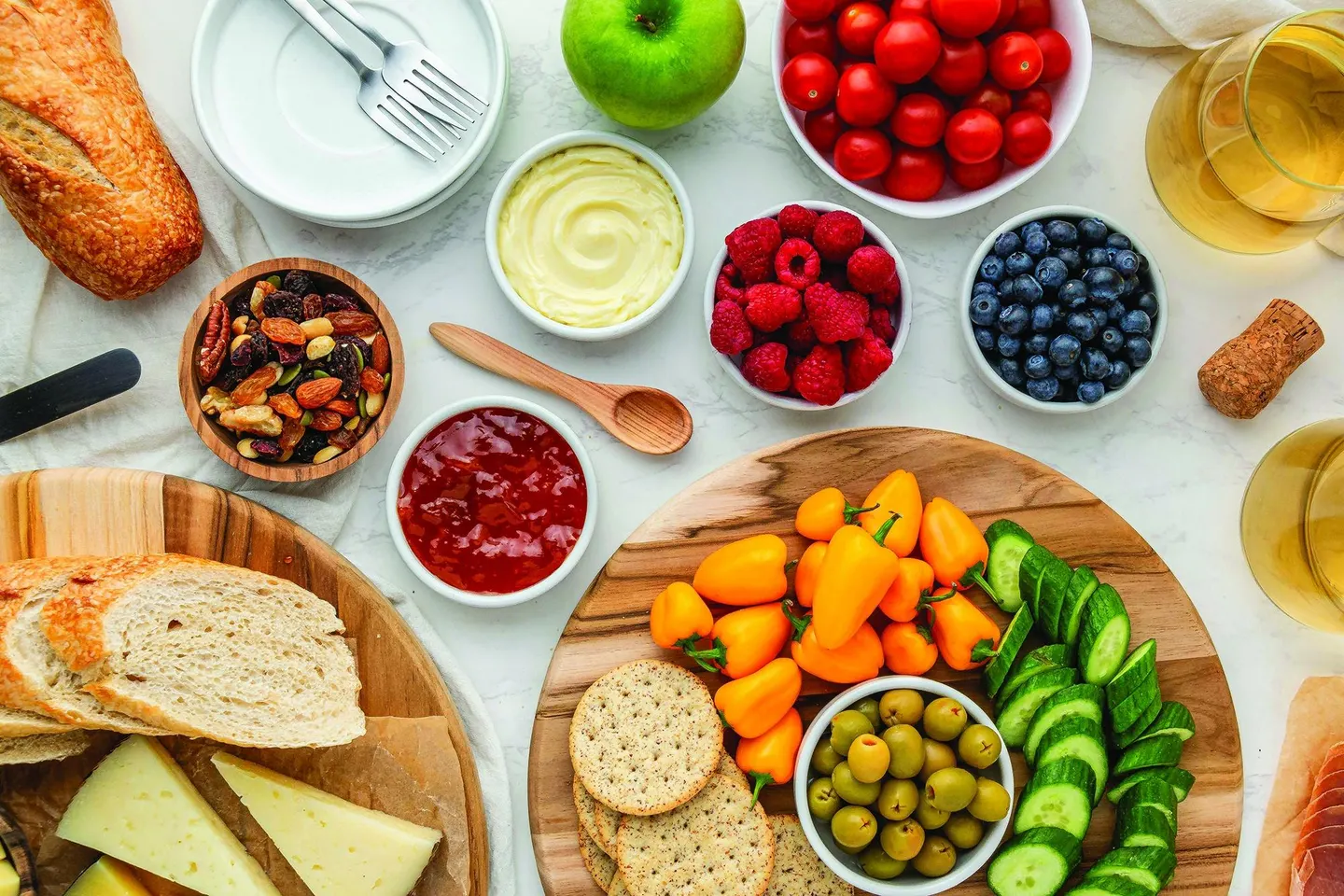
Portion control is less about eating the smallest amount possible and more about recognizing how much food you actually intend to eat. Oversized packages, restaurant servings, distracted eating, and repeated helpings can make portions grow without much thought.
Serving a moderate amount first and checking your hunger before taking more is a practical way to become more mindful.
Understand Portions Before Trying to Shrink Them
A portion is the amount you choose to eat, while a labeled serving size is a standardized reference used on food packaging. They aren’t always identical. CDC guidance specifically notes that a serving size on a Nutrition Facts label is not necessarily the amount a person should eat.
That distinction prevents portion control from becoming a rigid numbers exercise. General healthy habit references may encourage awareness, but hunger, activity, age, and health needs still influence appropriate intake.
Put Food on a Plate First
Eating directly from a large bag, box, or shared serving dish makes it harder to see how much you’ve eaten. Plate a reasonable amount, put the package away, and give yourself permission to take more if you’re still hungry.
CDC’s current meal guidance similarly recommends paying attention to portion size and suggests placing snack food into a bowl or container rather than eating directly from its package.
People reading mindful lifestyle material may encounter many appetite-control techniques, but simple environmental changes are often easier to repeat.
| Situation | Common Portion Problem | Mindful Adjustment |
|---|---|---|
| Large snack bag | Eating without noticing | Portion into a bowl |
| Restaurant meal | Oversized entrée | Save part for later |
| Family-style dinner | Automatic seconds | Pause before refilling |
| Screen-time eating | Low awareness | Eat at a table |
Build Meals That Still Feel Satisfying
Smaller servings work poorly if a meal leaves you hungry again almost immediately. Include nutrient-dense foods such as vegetables, fruit, whole grains, beans, dairy or alternatives, and appropriate protein sources.
Slow down enough to notice changes in hunger and fullness. You don’t need to stretch every meal into a long event, but repeatedly eating as fast as possible can make awareness harder.
Broader food and wellbeing resources may offer useful prompts for reflection, though individualized nutrition needs are better discussed with qualified professionals.
Where Portion Control Can Go Too Far
Smaller isn’t automatically healthier. Constantly shrinking portions, skipping meals, or ignoring persistent hunger can turn a sensible idea into unnecessary restriction.
Children, adolescents, pregnant people, athletes, older adults, and anyone recovering from illness may have nutritional needs that don’t fit generic portion advice. The goal is an appropriate amount of nourishing food, not winning a contest for the smallest plate.
When Should Eating Patterns Be Discussed With a Professional?
Get professional advice if you experience unexplained weight loss or gain, persistent appetite changes, difficulty swallowing, repeated vomiting, severe digestive symptoms, or eating behaviors that cause distress.
People managing diabetes or other medical conditions should also follow individualized meal guidance when portion sizes interact with medication, carbohydrate intake, or treatment goals.
Frequently Asked Questions
Do smaller plates automatically make people eat less?
They may help some people notice serving size, but plate size alone doesn’t determine hunger or nutritional needs. Use it as a practical cue, not a strict rule.
Should I measure every portion?
Usually not. Measuring can be useful temporarily when learning what common servings look like, but many people can later rely on familiar plates, packages, and hunger cues.
Can I take a second serving?
Yes. Start with a moderate portion, eat attentively, and decide whether you are still hungry before taking more.
Make Portions Intentional, Not Tiny
For the next few meals, change only the serving process. Put food on a plate, sit down, eat without rushing, and pause before returning for more. Good portion control isn’t about deprivation. It’s about making the amount you eat a conscious choice instead of something determined by the package, restaurant, or serving bowl.
This article is for general informational purposes and is not a substitute for professional medical advice, diagnosis, or treatment.