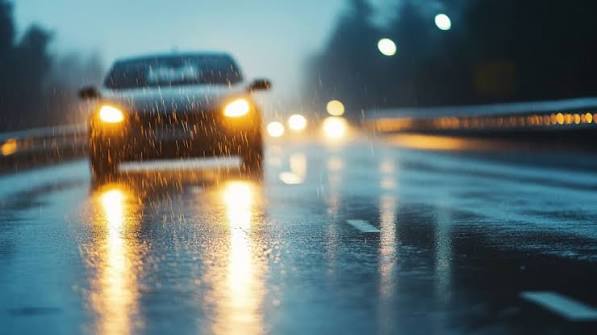
Heavy rain can reduce visibility, weaken tire grip, and make traffic movements harder to judge. Slowing down and creating a larger following gap gives you more time to recognize hazards and helps reduce the need for abrupt braking or steering.
Rain does not need to be extreme to change driving conditions. Even a short downpour can make a familiar road behave differently.
Slow Down Before Conditions Force You To
Drivers sometimes wait until the vehicle begins to feel unstable before reducing speed. A better approach is to respond as soon as visibility or road grip starts deteriorating.
Regular driving condition planning can support better vehicle preparation, but speed remains a decision made behind the wheel. A slower pace provides more time to identify standing water, stalled vehicles, sudden braking, and lane markings that become difficult to see.
Use Smooth Inputs
Avoid aggressive acceleration, sharp steering, and unnecessary hard braking in heavy rain. Gradual inputs help keep the vehicle balanced and reduce sudden changes in tire grip.
Smooth driving also makes your movements more predictable to others.
Increase the Space Ahead
Wet roads can increase the distance required to slow down, while spray from other vehicles may reduce how far ahead you can see. More following distance addresses both problems.
Useful wet-weather route awareness includes watching for low areas, construction zones, drainage problems, and roads where water commonly collects. If you cannot see traffic clearly ahead, increasing distance becomes even more important.
| Rain Hazard | Possible Effect | Safer Adjustment |
|---|---|---|
| Road spray | Reduced visibility | Increase distance |
| Standing water | Loss of grip | Slow before reaching it |
| Wet curves | Reduced traction | Use smooth steering |
| Poor lane visibility | Positioning errors | Reduce speed |
Tires Matter More on Wet Roads
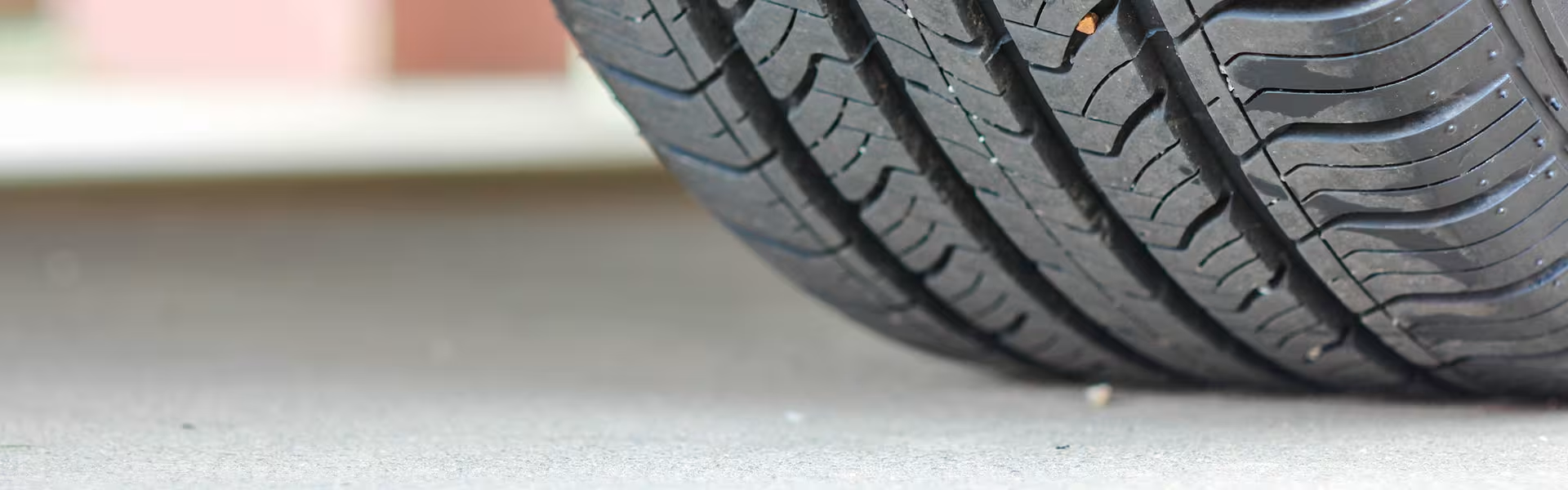
Tread helps tires manage water at the road surface. Worn or poorly maintained tires may struggle sooner when conditions become wet.
Regular tire grip awareness should include checking tread condition and inflation rather than waiting for bad weather to expose a problem. Even well-maintained tires have limits, so drivers still need to reduce speed when water accumulates.
Be Careful Around Standing Water
Water depth is difficult to judge from the driver’s seat. A puddle that looks shallow may hide a pothole, uneven pavement, or deeper flooding.
Whenever possible, avoid driving through standing water whose depth or road condition is uncertain. If water is widespread or moving across the road, finding another route may be the safer option.
Keep Visibility Equipment Ready
Windshield wipers, washer fluid, lights, and clean glass all affect what you can see during rain. These simple items are easy to overlook until poor weather arrives.
Replace worn wiper blades before they begin leaving large streaks across the windshield.
Mistakes That Make Rain Driving Harder
Cruise control can be inappropriate when conditions require frequent speed changes or careful traction management. Drivers should remain actively engaged with the vehicle rather than allowing a preset speed to encourage them to maintain a pace that no longer fits the road.
Another mistake is following large vehicles too closely. Trucks and buses can create heavy spray that reduces visibility. More space may provide a clearer view and additional reaction time.
Frequently Asked Questions
Should I use headlights during heavy rain?
Use the vehicle’s appropriate lighting when visibility is reduced and follow local traffic laws. The goal is to improve your ability to see while making your vehicle easier for other road users to notice.
What should I do if the car feels unstable on water?
Ease off the accelerator and avoid sudden braking or steering. Keep the wheel steady and allow the tires an opportunity to regain consistent contact with the road.
Is it safer to stop during extremely heavy rain?
If visibility becomes too poor for safe driving, stopping may be appropriate. Choose a safe legal location away from moving traffic rather than stopping in an active lane or another hazardous area.
Let the Weather Set the Pace
Heavy rain should change the way you drive even when the speed limit remains unchanged. Reduce speed early, expand your following distance, avoid standing water, and make every steering or braking input smoother. The safest rain-driving strategy is not trying to maintain normal conditions; it is adjusting before the road forces you to.